
Case Study: Successful Diesel Supply Solutions for Heavy Industries in Malaysia


Introduction to Diesel Supply Solutions in Malaysia
Malaysia's heavy industries are crucial to its economic growth, and diesel is a critical component that powers these sectors. However, ensuring a steady and efficient supply of diesel can be challenging. This case study explores successful diesel supply solutions implemented in Malaysia, highlighting the strategies that have significantly benefitted heavy industries.

Challenges Faced by Heavy Industries
Heavy industries in Malaysia face several challenges in maintaining a consistent diesel supply. These challenges include fluctuating prices, logistical hurdles, and the need for high-quality fuel. Addressing these issues is vital for uninterrupted operations and optimal performance.
Some of the key challenges include:
- Volatile fuel prices impacting budgeting and planning.
- Logistical complexities in remote areas.
- Ensuring fuel quality and compliance with environmental standards.
Innovative Solutions Implemented
To overcome these challenges, several innovative solutions have been implemented. These solutions not only ensure a reliable supply but also optimize costs and improve efficiency. One significant strategy involves long-term contracts with reliable suppliers, which help stabilize prices and ensure steady delivery.
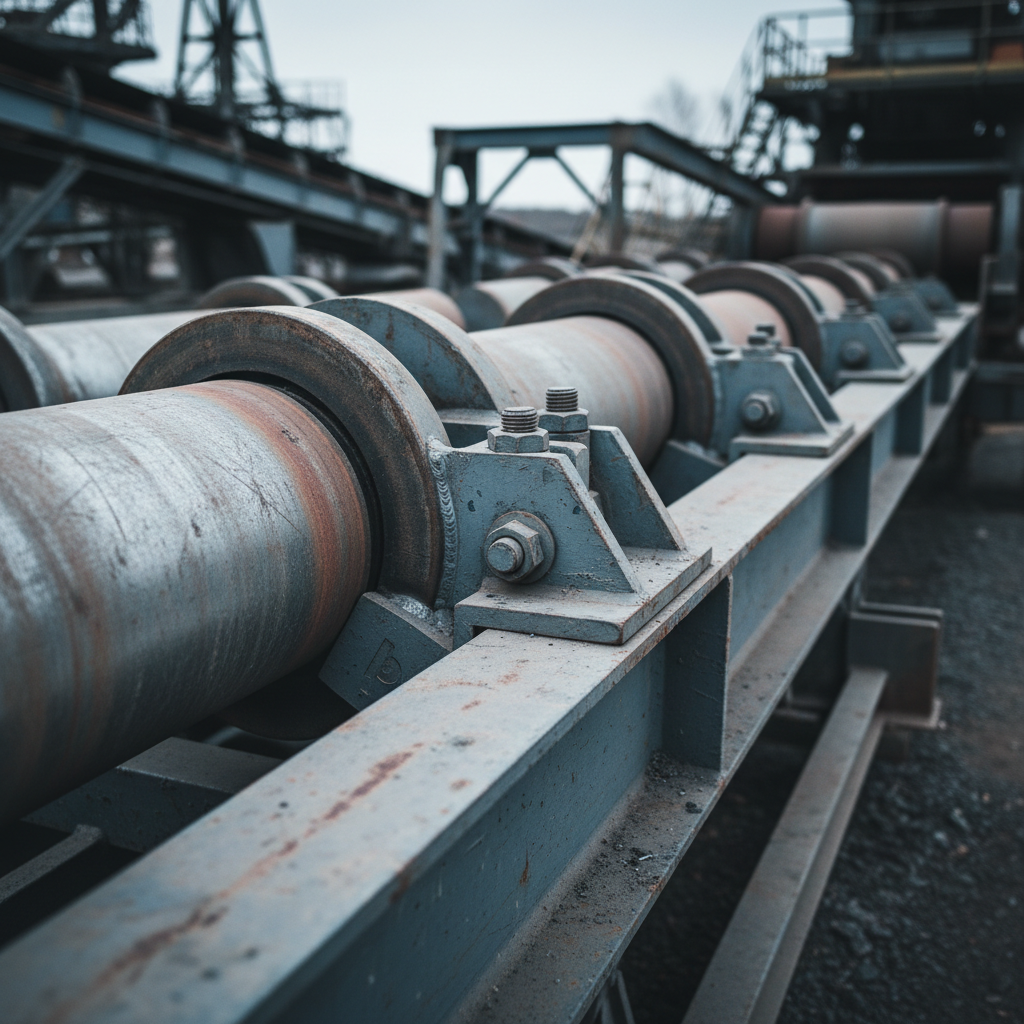
Additionally, advanced logistics management systems have been introduced. These systems enhance fuel distribution efficiency by optimizing delivery routes and schedules, significantly reducing delays and costs.
Collaborative Partnerships
Collaborative partnerships have also played a pivotal role in successful diesel supply. By working closely with local suppliers and logistics companies, heavy industries have managed to create a resilient supply chain that can adapt to changing circumstances.
Benefits Realized
Implementing these solutions has resulted in numerous benefits for heavy industries in Malaysia. The most notable advantage is the reduction in operational costs due to stabilized diesel prices. Moreover, enhanced logistics have led to fewer disruptions, ensuring consistent production and delivery timelines.
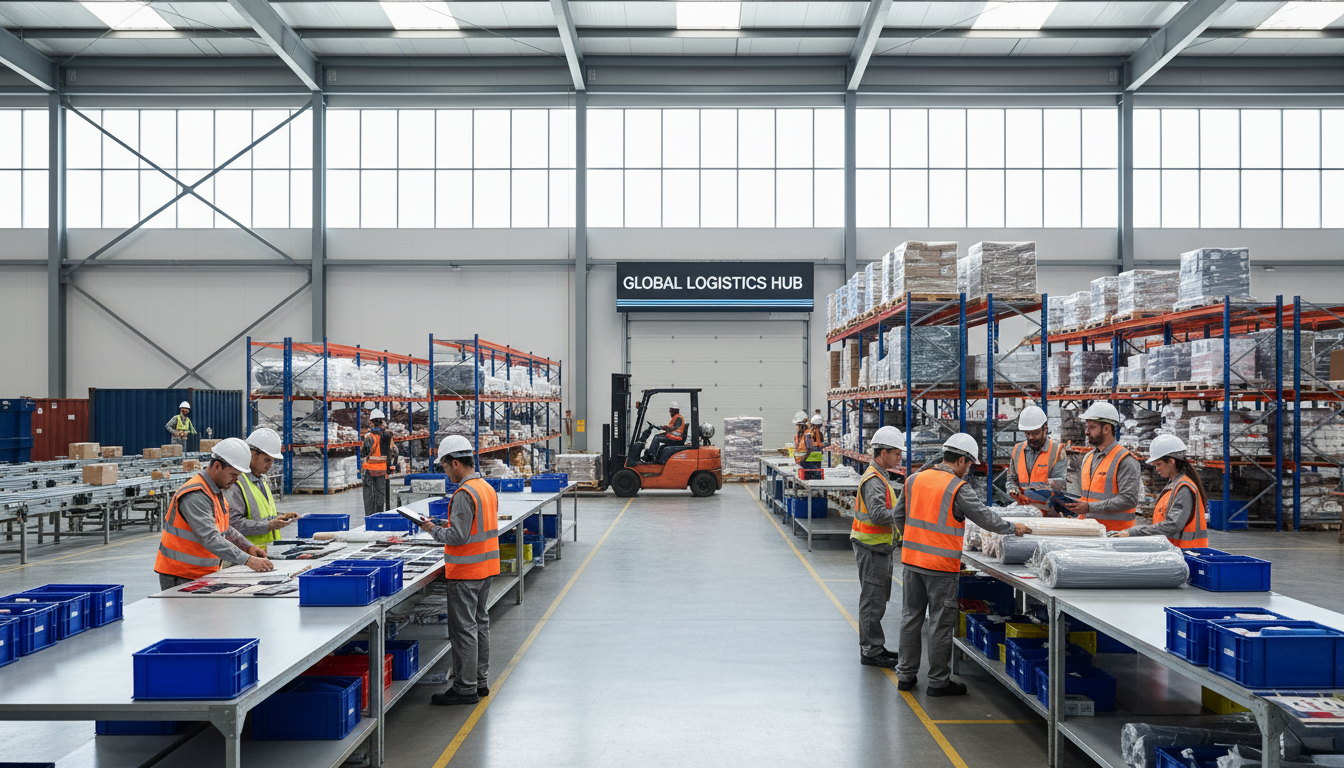
Furthermore, the emphasis on high-quality diesel has improved equipment performance and longevity, reducing maintenance costs and downtime.
Environmental Impact
Another important aspect of these solutions is their positive environmental impact. By ensuring high-quality fuel and optimizing distribution, the carbon footprint of industrial operations is significantly reduced, aligning with global sustainability goals.
Conclusion
The successful implementation of diesel supply solutions in Malaysia's heavy industries sets a benchmark for other sectors facing similar challenges. By prioritizing strategic partnerships, innovative logistics, and sustainability, these industries have achieved significant operational and environmental benefits. As Malaysia continues to grow, these solutions will play a critical role in supporting its industrial backbone.