
Case Study: Successful Implementation of Bitumen Technologies in Kuala Lumpur's Infrastructure


Introduction
The bustling city of Kuala Lumpur is known for its rapid urban development and impressive infrastructure. A critical component of this infrastructure is the material used in road construction: bitumen. This case study explores the successful implementation of bitumen technologies, highlighting how it has transformed the city's roadways.

Understanding Bitumen Technologies
Bitumen is a sticky, black, and highly viscous liquid or semi-solid form of petroleum. It is primarily used in road construction due to its effective binding properties and durability. Recent advancements in bitumen technologies have led to more sustainable and efficient road construction methods.
Benefits of Modern Bitumen
Modern bitumen technologies offer numerous benefits, including improved road longevity, reduced maintenance costs, and enhanced environmental sustainability. These technologies have been pivotal in supporting Kuala Lumpur's infrastructure demands.

Implementation Process
The implementation of bitumen technologies in Kuala Lumpur involved several strategic steps:
- Research and Development: Extensive research was conducted to identify the most suitable bitumen types for the local climate and traffic conditions.
- Collaborative Efforts: Collaboration with international experts ensured the adoption of best practices and innovative techniques.
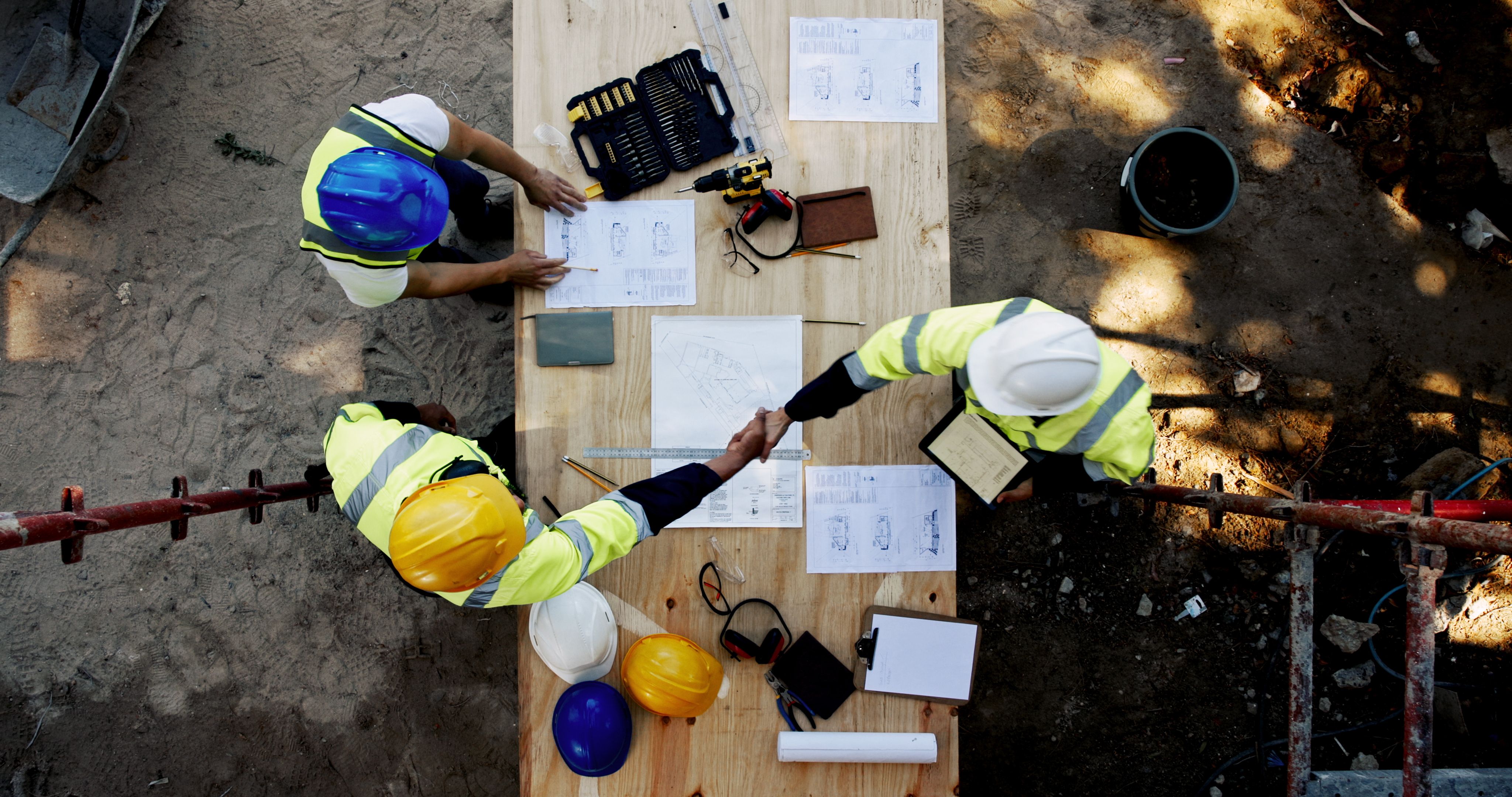
- Training and Education: Local engineers and construction teams were trained to work with the new technologies effectively.
Challenges Faced
Despite the benefits, the implementation process was not without challenges. These included logistical issues, climate considerations, and the need for specialized equipment. However, through meticulous planning and execution, these challenges were successfully overcome.
Impact on Kuala Lumpur’s Infrastructure
The impact of these advanced bitumen technologies on Kuala Lumpur's infrastructure has been profound. Roads are now more resilient to wear and tear, reducing the frequency of repairs and associated disruptions. This has contributed to smoother traffic flow and increased safety for commuters.
Community and Economic Benefits
The community has benefited from reduced noise pollution and dust, while economically, the city has seen a decrease in road maintenance costs. These savings can be redirected towards other vital infrastructure projects, further enhancing the city's development.

Future Prospects
Looking ahead, Kuala Lumpur is poised to continue its adoption of cutting-edge bitumen technologies. Future projects may explore the integration of smart road systems, which can further optimize traffic management and road safety.
In conclusion, the successful implementation of bitumen technologies has played a crucial role in shaping Kuala Lumpur's modern infrastructure landscape. The city's commitment to innovation and sustainability serves as a model for other urban centers worldwide.