
How to Choose the Right Lubricants for Your Heavy Machinery


Understanding the Importance of Lubricants
Lubricants play a crucial role in maintaining the efficiency and longevity of heavy machinery. They reduce friction, prevent wear and tear, and protect against rust and corrosion. Choosing the right lubricant can significantly enhance the performance and lifespan of your equipment.

Types of Lubricants
There are various types of lubricants available, each designed for specific applications. The most common types include:
- Mineral Oils: Derived from refined crude oil, suitable for general purposes.
- Synthetic Oils: Engineered for high performance, offering superior protection.
- Greases: Best for parts requiring solid lubrication, like bearings.
Factors to Consider
When selecting a lubricant, it's essential to consider several factors to ensure the best fit for your machinery. These include:
- Viscosity: The thickness of the lubricant affects its flow and ability to reduce friction.
- Operating Temperature: Ensure the lubricant can perform effectively at your machinery's typical temperature range.
- Load Capacity: Choose a lubricant that can handle the weight and pressure exerted on your machine.

Manufacturer Recommendations
Always refer to the manufacturer’s guidelines when selecting lubricants. They provide specific recommendations based on the design and requirements of the machinery. Adhering to these can prevent unnecessary damage and ensure optimal performance.
Environmental Considerations
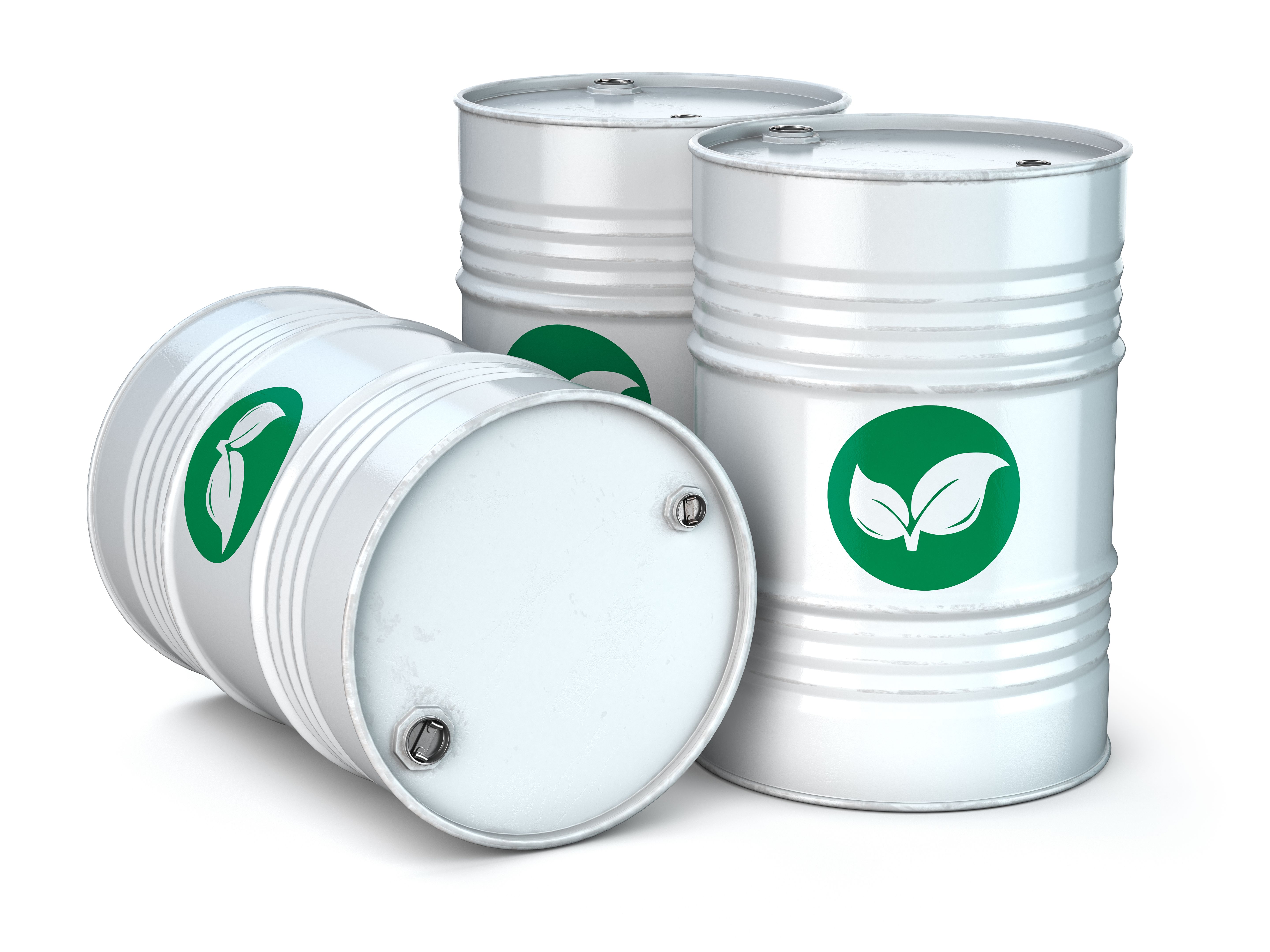
In today’s eco-conscious world, selecting environmentally friendly lubricants is increasingly important. Biodegradable lubricants minimize environmental impact and are particularly beneficial in industries like agriculture and forestry.
Cost vs. Quality
While it might be tempting to opt for cheaper alternatives, investing in high-quality lubricants can save money in the long run by reducing maintenance costs and extending machinery life. Consider the total cost of ownership rather than just the initial price.
Regular Monitoring and Maintenance
Even with the right lubricant, regular monitoring and maintenance are vital. Keep an eye on lubricant levels, check for contamination, and follow a consistent maintenance schedule to ensure your machinery runs smoothly.
Conclusion
Choosing the right lubricant for your heavy machinery involves understanding your equipment's needs, considering environmental impacts, and balancing cost with quality. By making informed choices, you can enhance the performance and durability of your machinery, ensuring it operates efficiently for years to come.