
Myths About Diesel and Lubricants in the Heavy Industry: What’s True?


Understanding Diesel Myths
In the heavy industry sector, diesel engines are a cornerstone of machinery and transportation. However, several myths surround their use, often leading to confusion. One common myth is that diesel engines are inherently dirty. While older models were less efficient, modern diesel engines are engineered to meet stringent emission standards, making them cleaner than ever before.
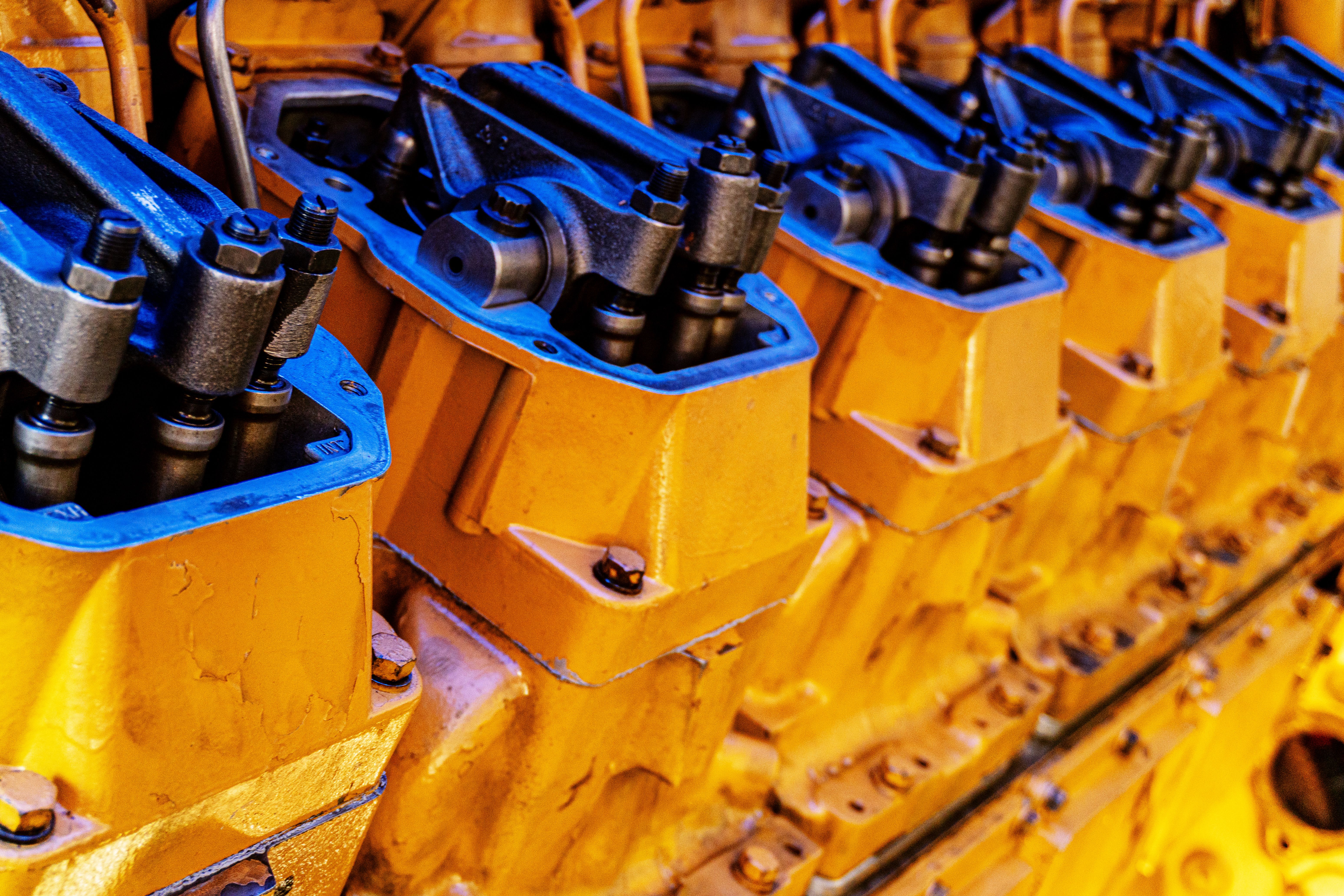
Another myth is that diesel engines are loud and disruptive. In reality, advancements in technology have significantly reduced the noise levels of these engines, making them comparable to their gasoline counterparts. Additionally, regular maintenance and proper tuning can further minimize noise.
Debunking Lubricant Misconceptions
Lubricants play a crucial role in maintaining the efficiency and longevity of machinery. One persistent myth is that all lubricants are the same. In fact, lubricants are formulated for specific applications, and using the wrong type can lead to increased wear and potential damage. It's essential to choose lubricants that match the manufacturer's specifications for your equipment.
Some believe that synthetic lubricants are always superior to mineral oils. While synthetic lubricants offer benefits like better temperature stability, the choice depends on the specific needs of your machinery and operating conditions.

The Impact of Fuel Quality
Fuel quality is another area fraught with misconceptions. A common myth is that premium diesel fuels offer no real benefits over regular diesel. In truth, premium diesel can enhance engine performance and efficiency, thanks to higher cetane ratings and improved additives that help in maintaining engine cleanliness.
Some operators assume that all diesel fuels are created equal, but variations in sulfur content and additives can significantly impact engine performance and emissions. It's important to select a fuel that aligns with the requirements of your engine.

Maintenance Myths
Regular maintenance is often misunderstood in the heavy industry. A frequent myth is that changing oil frequently is unnecessary. On the contrary, sticking to the recommended oil change intervals is crucial for ensuring optimal engine performance and extending its lifespan.
Another misconception is that maintenance can be deferred without consequences. Delaying maintenance might save money in the short term, but it can lead to costly repairs and downtime later on.
Conclusion
Understanding the truths behind these myths is vital for anyone involved in the heavy industry. By debunking these misconceptions, operators can make informed decisions that enhance efficiency, reduce costs, and prolong the life of their equipment. Remember, staying informed and adhering to recommended practices is the key to success in managing diesel engines and lubricants effectively.