
The Role of High-Quality Lubricants in Heavy Industries


Understanding High-Quality Lubricants
In the world of heavy industries, the importance of using high-quality lubricants cannot be overstated. These lubricants play a crucial role in ensuring machinery operates smoothly, minimizing downtime, and extending the lifespan of equipment. They help reduce friction, wear, and corrosion, all of which are vital for maintaining the efficiency of industrial operations.
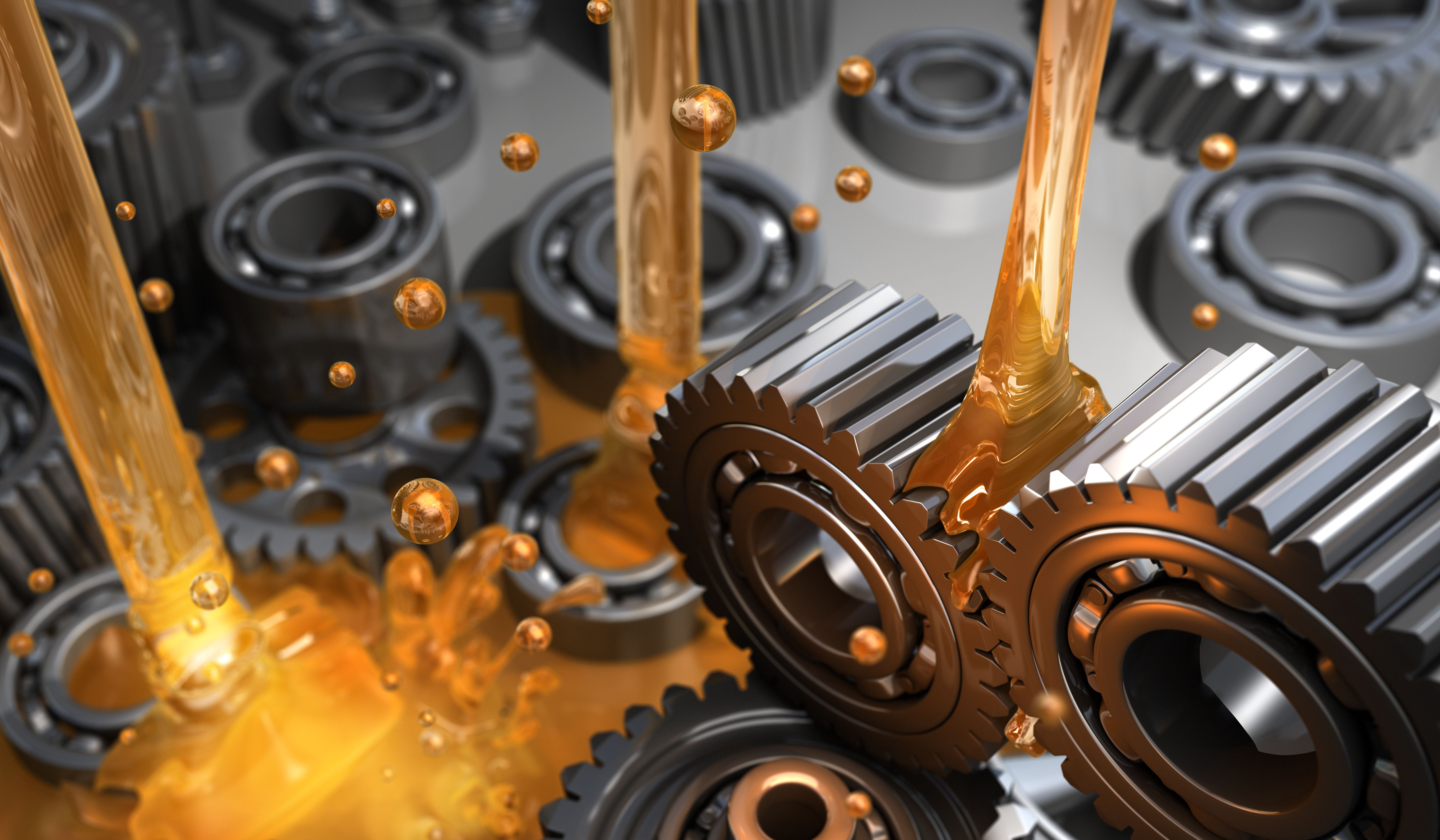
High-quality lubricants are specifically formulated to withstand extreme temperatures and pressures, making them ideal for heavy-duty applications. They provide a protective layer between moving parts, reducing the risk of metal-to-metal contact and subsequent damage.

Benefits of Using High-Quality Lubricants
There are several benefits to using high-quality lubricants in heavy industries. These include:
- Enhanced Equipment Performance: By reducing friction and wear, lubricants help maintain the optimal performance of machinery.
- Extended Equipment Lifespan: With reduced wear and tear, equipment can operate for longer periods without needing replacement.
- Reduced Maintenance Costs: Fewer repairs and replacements mean lower maintenance expenses.
Additionally, high-quality lubricants can improve energy efficiency by reducing the power needed to operate machinery, ultimately lowering operational costs.
Types of Lubricants Used in Heavy Industries
Heavy industries utilize a variety of lubricants, each designed for specific applications. Some common types include:
- Hydraulic Oils: Used in hydraulic systems to transfer power efficiently.
- Gear Oils: Designed for gear systems to handle extreme pressure and reduce wear.
- Greases: Used for applications where liquid lubricants might leak or be difficult to apply.
Choosing the Right Lubricant
Selecting the right lubricant involves considering factors such as the operating environment, the type of machinery, and the specific performance requirements. Consulting with lubricant specialists can help ensure that the most suitable product is chosen for each application.
Proper lubricant selection and application can lead to significant improvements in equipment performance and reliability, as well as contribute to overall safety in the workplace.
Challenges and Considerations
While high-quality lubricants offer numerous benefits, there are challenges to consider. The initial cost of these lubricants may be higher than standard options, but the long-term savings in maintenance and energy costs often offset this investment.

Moreover, ensuring proper storage and handling of lubricants is essential to maintain their effectiveness. Contamination can significantly reduce the performance of lubricants, leading to potential equipment damage.
Conclusion
In conclusion, high-quality lubricants are indispensable in heavy industries. Their role in enhancing equipment performance, extending lifespan, and reducing maintenance costs underscores their value. As technology advances, the development of even more efficient lubricants continues, promising further benefits for industrial applications.